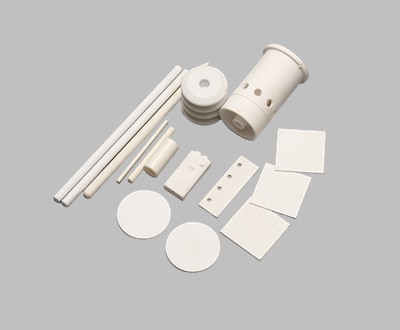
Can ceramic socket cups handle continuous high temperatures in heaters? Yes. Ceramic socket cups made from suitable technical ceramic materials can provide reliable electrical insulation and structural support during prolonged exposure to heat. They are widely used in industrial heating equipment, electric heating assemblies, thermocouples, and high-temperature electrical connections.
However, not every ceramic socket cup is designed for the same operating conditions. The maximum working temperature depends on the ceramic composition, component dimensions, heating cycle, electrical load, and installation environment. For heater manufacturers and industrial equipment buyers, selecting the right ceramic grade is essential for maintaining insulation performance and reducing premature component failure.
Yixing Shenxing Technology Co., Ltd. manufactures precision ceramic components, including alumina ceramic and steatite ceramic parts, for electrical and industrial applications. This guide explains how ceramic socket cups perform under continuous heating and what engineers should consider when choosing a suitable component.
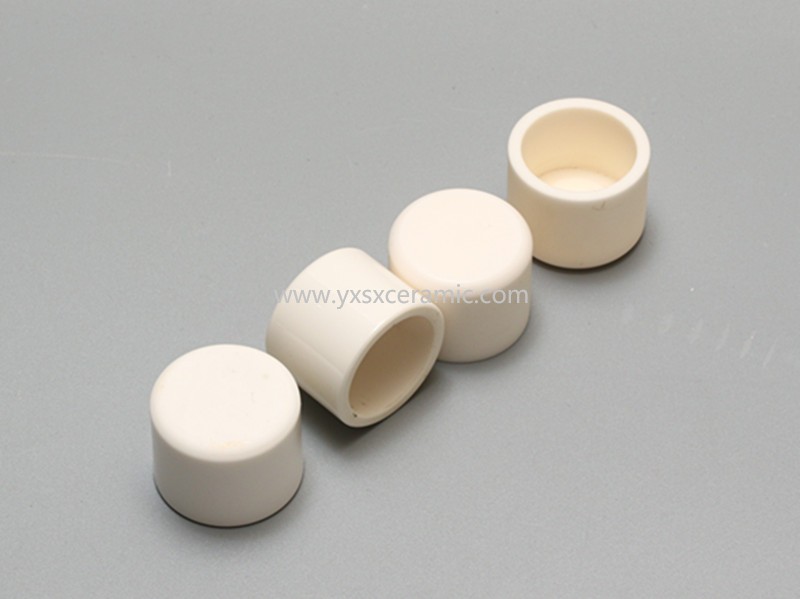
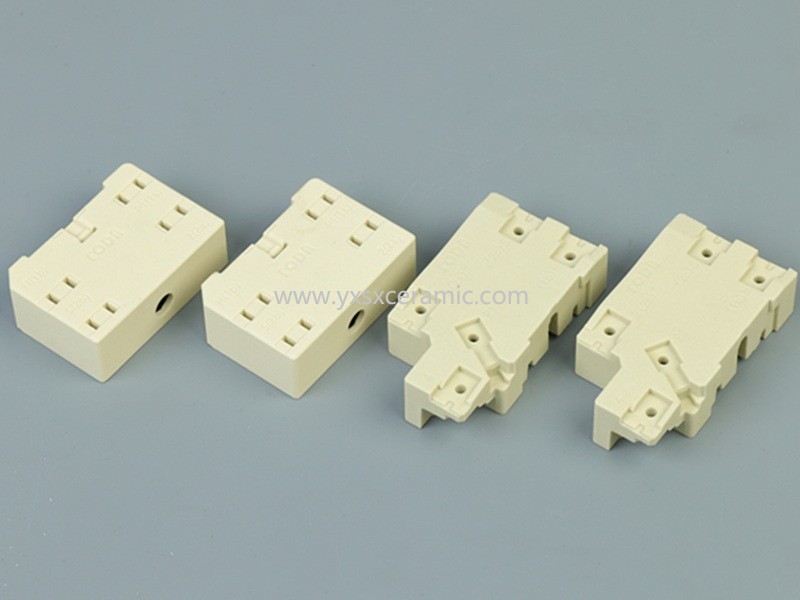
Ceramic socket components manufactured for electrical insulation and high-temperature applications.
Yes, properly selected ceramic socket cups can withstand continuous high-temperature operation. Unlike many plastic or polymer insulating components, technical ceramics maintain their structural rigidity and electrical insulation properties at elevated temperatures.
This makes them suitable for heater assemblies where electrical components remain exposed to heat for extended operating periods. Depending on the material grade, ceramic socket components can be used in applications involving several hundred degrees Celsius or even higher temperatures.
For example, the technical data published by Yixing Shenxing lists the following maximum working temperatures for several ceramic materials:
| Ceramic Material | Listed Maximum Working Temperature |
|---|---|
| 99% Alumina Ceramic | 1500°C |
| 96% Alumina Ceramic | 1200°C |
| 95% Alumina Ceramic | 1200°C |
| Steatite Ceramic | 800°C |
| Mullite Ceramic | 1000°C |
| Cordierite Ceramic | 1000°C |
These figures are material reference values, not guaranteed continuous operating ratings for every finished socket design. Actual service limits should be confirmed against the specific material grade, geometry, temperature profile, and assembly conditions.
For manufacturers looking for high-temperature insulating components, 95% Alumina Ceramic Products are worth considering when higher thermal stability and electrical insulation are required.
A ceramic socket cup is more than a heat-resistant structural component. It also plays an important role in electrical safety and assembly stability.
In an electric heater, heating wires and electrical terminals operate close to heat-generating elements. Without suitable insulation, electrical leakage, short circuits, or damage to surrounding metal structures may occur.
Ceramic socket cups help address these problems through several material properties.
Electrical insulation: Technical ceramics offer high electrical resistivity and dielectric strength, helping separate energized conductors from metal housings and other conductive components.
Thermal stability: Suitable ceramic grades maintain their shape and mechanical integrity during prolonged heating, reducing the risk of softening or deformation.
Dimensional stability: Controlled thermal expansion helps ceramic components maintain their fit within heater assemblies when temperatures change.
Mechanical support: Ceramic cups and holders can position heating elements, protect electrical connections, and maintain the spacing between internal components.
Resistance to environmental damage: Depending on the ceramic composition, these components can offer good resistance to oxidation, corrosion, and chemical exposure.
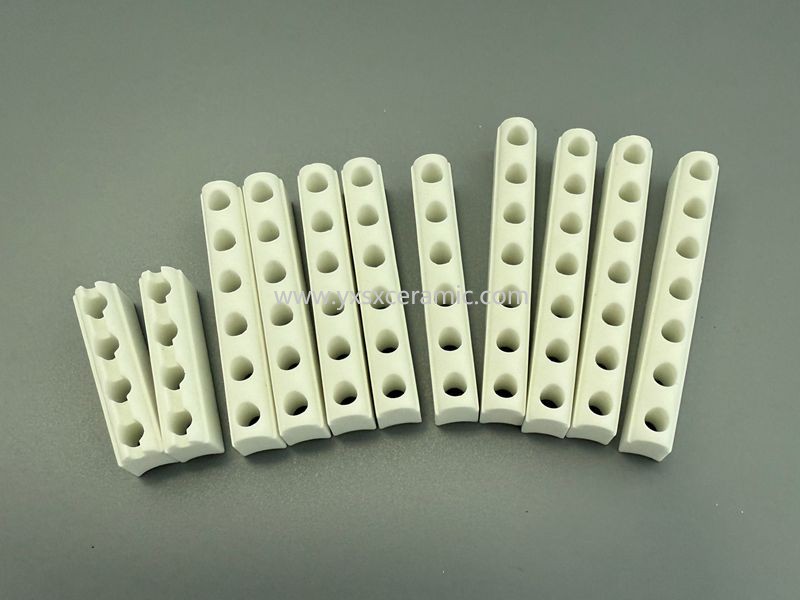
Multi-hole ceramic insulators help position heating wires and provide electrical separation in heater assemblies.
Alumina and steatite are two commonly used technical ceramic materials for electrical insulation. Both have advantages, but they are designed for different performance requirements.
Choosing between them requires more than comparing maximum temperature ratings. Electrical properties, thermal conductivity, mechanical loading, manufacturing cost, and operating conditions should also be considered.
| Comparison | Alumina Ceramic | Steatite Ceramic |
|---|---|---|
| Heat Resistance | Higher temperature capability | Suitable for moderate to high temperatures |
| Thermal Conductivity | Generally higher | Generally lower |
| Electrical Insulation | Excellent | Excellent |
| Mechanical Strength | Generally higher | Moderate |
| Typical Heater Applications | High-temperature insulation and demanding heater assemblies | Band heaters, terminal insulation, and electrical supports |
When should you choose alumina ceramic?
Alumina is a suitable choice when the heater operates at higher temperatures or requires strong mechanical performance and reliable electrical insulation. It is commonly considered for industrial heating equipment, high-power electrical assemblies, and demanding thermal environments.
When is steatite ceramic a better option?
Steatite is often selected when good electrical insulation, thermal stability, and cost-effective manufacturing are important. It is particularly useful for heater supports, ceramic sticks, terminal blocks, and thermocouple insulation components.
Yixing Shenxing provides both material options. Buyers can review 99% Alumina Ceramic Components for more demanding thermal applications and Steatite Ceramic Components for electrical insulation applications.
Ceramic materials are heat-resistant, but they are not immune to thermal damage. A ceramic socket cup can crack when exposed to excessive thermal stress, particularly when temperature changes are rapid or uneven.
In continuous heater operation, several factors can contribute to cracking:
For equipment manufacturers, thermal shock resistance should be evaluated alongside maximum working temperature. A component that remains stable at a constant temperature may perform differently when repeatedly exposed to heating and cooling cycles.
Yixing Shenxing's 95% alumina ceramic lamp socket product information describes repeated thermal shock testing at 800°C for 30 minutes followed by cooling to room temperature, repeated for 10 cycles without cracking or bursting. This is a product-specific test description and should not be interpreted as a universal service-life guarantee for all ceramic socket cups.
Ceramic socket cups and related insulating components are used in a range of industrial and electrical heating applications. Their exact function depends on the heater design and the position of the component within the assembly.
Industrial electric heaters: Ceramic insulating components separate heating wires from conductive structures and help maintain safe electrical connections.
Band heaters: Ceramic sticks with multiple holes or grooves hold resistance wires in position. They are commonly used in plastic injection molding machines, extrusion equipment, and industrial heating systems.
Thermocouple assemblies: Ceramic sockets and insulating supports keep thermocouple wires separated and protect them from mechanical damage in high-temperature environments.
High-power lighting equipment: Alumina ceramic lamp sockets provide insulation and structural support where electrical components are exposed to significant heat.
Household heating appliances: Ceramic supports and insulating parts are also used in selected electric heating tubes, water heaters, and other appliances where heat-resistant insulation is required.
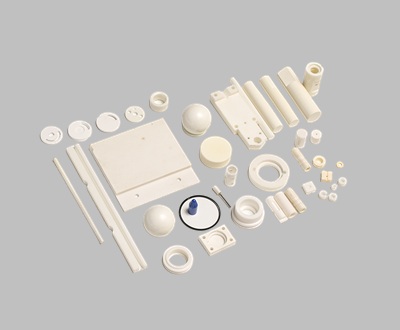
Precision ceramic insulating parts for electrical assemblies and industrial equipment.
For heating equipment manufacturers, the 1–8 Hole Steatite Ceramic Stick for Band Heaters is one relevant product to consider when designing heating wire positioning and insulation structures.
Before purchasing ceramic socket cups for a heater project, engineers and procurement teams should evaluate the actual operating environment rather than relying on a general high-temperature specification.
The following information helps manufacturers recommend an appropriate material and component design.
| Selection Factor | What Buyers Should Confirm |
|---|---|
| Operating Temperature | Normal continuous temperature and maximum peak temperature |
| Heating Cycle | Continuous operation or repeated heating and cooling |
| Electrical Requirements | Operating voltage, insulation resistance, and dielectric strength |
| Dimensions | Outer diameter, inner diameter, height, holes, and tolerances |
| Mechanical Conditions | Clamping pressure, vibration, impact, and mounting method |
| Operating Environment | Moisture, chemicals, oxidation, and possible contamination |
| Production Requirements | Custom drawings, required quantities, and dimensional tolerances |
It is also important to confirm the temperature at the ceramic component itself. The temperature of the heating element may be considerably higher than the temperature measured on the heater housing or surrounding assembly.
For custom projects, providing a technical drawing or physical sample allows the manufacturer to assess the component geometry, material suitability, and manufacturing process more accurately.
Yes. Custom ceramic socket cups can be manufactured according to application requirements, engineering drawings, or existing samples.
Standard ceramic components may not always match the mounting dimensions or electrical requirements of a particular heater assembly. Custom manufacturing provides greater flexibility for OEMs and industrial equipment manufacturers.
Common customization options include:
Yixing Shenxing Technology Co., Ltd. integrates ceramic research and development, production, and sales. Its manufacturing capabilities include dry powder pressing, isostatic pressing, hot pressing, high-precision sintering, grinding, and other post-processing operations.
For OEM and ODM buyers, these capabilities support the development of ceramic components for different industrial applications. Material selection and manufacturing feasibility can be evaluated according to the drawing, required quantity, and operating conditions.
Choosing a ceramic component manufacturer involves more than finding a supplier with a high-temperature material. Consistent production quality, dimensional accuracy, technical communication, and manufacturing experience are equally important.
Yixing Shenxing Technology Co., Ltd. focuses on precision technical ceramic components for electrical, mechanical, automotive, chemical, and new energy applications.
Key manufacturing and service capabilities include:
For heater manufacturers looking for reliable ceramic insulating parts, working directly with a technical ceramic manufacturer can make it easier to coordinate material selection, drawing requirements, and production specifications.
Can ceramic socket cups operate continuously at 800°C?
Yes, selected ceramic grades can be suitable for continuous operation at 800°C. Steatite ceramic is listed with a maximum working temperature of 800°C in Yixing Shenxing's material comparison table, while alumina grades offer higher listed temperature capabilities. The actual suitability depends on the finished component and operating conditions.
Are alumina ceramic socket cups better than steatite ceramic cups?
Not necessarily. Alumina is generally preferred for more demanding high-temperature and mechanical applications. Steatite is often a cost-effective choice for electrical insulation and heater components operating within its temperature limits. The best material depends on the application.
Do ceramic socket cups crack after long-term heating?
They do not normally crack simply because they are exposed to heat. However, poor material selection, rapid temperature changes, uneven heating, excessive mechanical pressure, and manufacturing defects can increase the risk of cracking.
Can ceramic socket cups be used in industrial band heaters?
Yes. Ceramic sticks and insulating supports are commonly used in band heaters to position resistance wires and maintain electrical separation from the heater housing.
Can Yixing Shenxing manufacture custom ceramic socket cups?
Yes. Yixing Shenxing supports custom ceramic manufacturing based on technical drawings, dimensions, material requirements, and reference samples. Buyers can provide their application details to discuss production feasibility and quotations.
What information should I provide when requesting a quotation?
It is helpful to provide a 2D or 3D drawing, ceramic material preference, operating temperature, electrical requirements, dimensional tolerances, estimated order quantity, and application details. A physical sample can also help the manufacturer evaluate the design.
Ceramic socket cups can handle continuous high temperatures when the ceramic grade, component design, and operating environment are properly matched. Alumina is a strong candidate for demanding high-temperature applications, while steatite offers a practical solution for many heater insulation and electrical support requirements.
For industrial heater manufacturers, the key is to evaluate continuous operating temperature, thermal cycling, electrical insulation, mechanical stress, and dimensional requirements together. This approach helps reduce premature component failure and supports more reliable heater performance.
Yixing Shenxing Technology Co., Ltd. provides precision alumina and steatite ceramic components for industrial heating and electrical applications. Whether you need standard ceramic insulating parts or custom socket cups made to drawings, its team can help assess material and manufacturing requirements.
Looking for a custom ceramic socket cup for your heater assembly? Contact Yixing Shenxing with your drawings, samples, or technical specifications to discuss a suitable ceramic solution.
Yixing Shenxing Technology Co., Ltd.
Website: www.yxsxceramic.com
Email: yxshenxing88@vip.163.com
Tel: +86 18018373518

24/7 Call Service +8618018373518
Электронная почта : yxshenxing88@vip.163.com
Адрес : No. 2022, Baoyang Road, Chuanbu Industrial Zone, Yixing City, Wuxi City, Jiangsu Province


блог Xml политика конфиденциальности Карта сайта
Авторские права @ 2026 Исинская компания Shenxing Technology Co., Ltd. Все права защищены.
 ПОДДЕРЖИВАЕТСЯ СЕТЬ
оставить сообщение
Отсканируйте QR-код для отправки в WeChat :

Отсканируйте в WhatsApp :



 2025-10-14