Почему промышленные насосы и клапаны постоянно протекают?
May 19, 2026
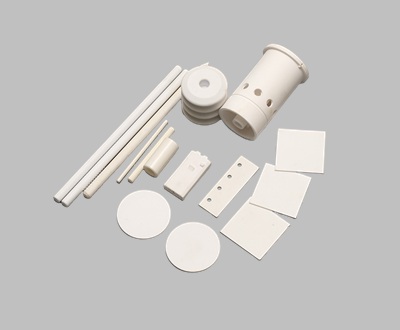
Если вы управляете химическим заводом, водоочистной станцией или любой другой производственной линией для крупномасштабных промышленных процессов, вы уже знаете, насколько неприятны утечки жидкости. Вы заменяете изношенное механическое уплотнение, запускаете насос, и всего через несколько месяцев сталкиваетесь с той же самой лужей на полу. Частые утечки и преждевременный износ систем управления потоками жидкости истощают бюджеты на техническое обслуживание, приводят к неожиданным простоям и создают серьезные угрозы безопасности. Большинство инженеров инстинктивно винят в проблемах условия эксплуатации. Они предполагают, что перекачивание суспензий, кислых жидкостей или жидкостей высокой температуры — это просто неизбежная часть постоянного ремонта. Однако первопричина обычно кроется не в самой жидкости, а в ограниченных возможностях традиционных материалов, таких как углеродистая сталь, бронза и ПТФЭ (тефлон), используемых во внутренних компонентах. Когда традиционные методы металлургии оказываются неэффективными, техническая керамика предлагает надежный способ избежать цикла поломок и ремонта. Модернизируя отдельные внутренние компоненты, можно продлить срок службы оборудования с месяцев до лет.Скрытые механизмы преждевременного выхода из строя уплотненийЧтобы понять, почему выходят из строя стандартные детали, необходимо рассмотреть, что происходит внутри корпуса насоса или клапана. Гидравлические системы выходят из строя в основном из-за трех факторов: абразивного износа, химического воздействия и термической деформации. Когда жидкость содержит даже микроскопические твердые частицы, эти частицы действуют как наждачная бумага по отношению к металлическим и полимерным уплотнениям. Со временем эти частицы выцарапывают микроскопические каналы на уплотнительных поверхностях. Как только канал становится достаточно глубоким, жидкость под давлением находит выход. Кроме того, агрессивные химические вещества постепенно разъедают металлические конструкции, создавая шероховатую, неровную поверхность, которая делает герметичное уплотнение невозможным. Устранение утечек в источнике: керамическое уплотнительное кольцоМеханическое уплотнение — это сердце любого оборудования, работающего с вращающимися жидкостями. Оно основано на прижимании двух чрезвычайно плоских поверхностей друг к другу, при этом одна из них вращается. Если какая-либо из поверхностей поцарапается, возникнет утечка. Именно здесь и возникает необходимость в установке механического уплотнения. Высокоизносостойкое керамическое уплотнительное кольцо Это полностью меняет срок службы насоса. Промышленная керамика, в частности оксид алюминия и карбид кремния, обладает твердостью, сравнимой с алмазами. Когда через насос проходят абразивные среды, такие как песок, металлическая стружка или кристаллизованные химические вещества, они просто не могут поцарапать керамическую поверхность. Уплотнительные поверхности остаются оптически плоскими, поддерживая микроскопическую пленку жидкости, которая смазывает вращение, не позволяя жидкости вытекать. Помимо физической твердости, керамика химически инертна. Независимо от того, перекачиваете ли вы серную кислоту, гидроксид натрия или агрессивные органические растворители, материал не будет разрушаться, ржаветь или набухать. В таблице ниже наглядно показана существенная разница в свойствах материалов.Тип материалаТвердость по Виккерсу (ГПа)Химическая стойкостьМаксимальная рабочая температура (°C)Стандартная углеродистая сталь1,5 - 2,0Плохое качество (склонно к окислению/воздействию кислоты)400ПТФЭ (тефлон)< 0.1Отличный260Алюмокерамика (99%)15.0 - 18.0Отличный1600Диоксид циркония (Y-TZP)12.0 - 13.0Отличный1000 Точное регулирование потока, не подверженное деградации.Клапаны представляют собой иную инженерную задачу. Регулирование потока требует, чтобы внутренние компоненты многократно открывались, закрывались или регулировали поток жидкости. В шаровых кранах, задвижках и смесительных кранах внутренние диски или пластины трутся друг о друга тысячи раз в день. Когда традиционные пластиковые или резиновые картриджи клапанов подвергаются воздействию высокого давления или резких перепадов температуры, они деформируются. Как только геометрия детали изменяется даже на долю миллиметра, клапан теряет свою герметичность, что приводит к внутреннему капанию или внешней протечке. Замена внутреннего регулирующего механизма на Прочная керамическая клапанная пластина из оксида алюминия полностью устраняет эту проблему. Керамические клапанные пластины изготавливаются с использованием передовых технологий шлифовки и притирки, что позволяет достичь плоскостности поверхности, измеряемой в световых полосах. Благодаря практически нулевому тепловому расширению и отсутствию влагопоглощения, материал сохраняет свои точные размеры независимо от окружающей среды. При скольжении двух отполированных керамических пластин друг относительно друга образуется герметичное уплотнение. Коэффициент трения невероятно низок, что означает, что клапан остается легко управляемым на протяжении миллионов циклов без необходимости интенсивной смазки. Преодоление проблемы хрупкости цирконияНесмотря на очевидные преимущества в твердости и износостойкости, многие руководители предприятий опасаются использовать керамику из-за предполагаемой уязвимости: хрупкости. Это вполне обоснованная инженерная проблема. В гидравлических системах, подверженных гидроударам, сильной вибрации или внезапным механическим воздействиям, стандартные компоненты из оксида алюминия могут трескаться. В материаловении эта проблема решена благодаря разработке стабилизированного иттрием диоксида циркония. Диоксид циркония часто называют «керамической сталью», поскольку он обладает уникальным свойством, называемым фазовым упрочнением. Когда трещина пытается распространиться по диоксиду циркония, напряжение на вершине трещины заставляет микроскопическую кристаллическую структуру материала изменить свою фазу с тетрагональной на моноклинную. Это изменение фазы приводит к локальному расширению объема материала примерно на 3–5%. Это расширение физически сжимает трещину, предотвращая ее дальнейшее распространение. Интеграция Износостойкая керамическая деталь из диоксида циркония, обработанная на станке. Использование в валах насосов, штоках клапанов или высокопрочных регулирующих штифтах дает вам лучшее из двух миров. Вы получаете исключительную химическую стойкость и износостойкость керамики в сочетании с прочностью на излом, сравнимой с прочностью конструкционных металлов. Они выдерживают физические нагрузки в промышленной обработке, не разрушаясь. Оценка реальной стоимости модернизацииДействительно, инженерная керамика имеет более высокую первоначальную стоимость приобретения, чем стандартные металлические или полимерные детали, доступные на рынке. Однако промышленное оборудование никогда не следует оценивать только по первоначальной цене покупки; единственным важным показателем является общая стоимость владения (TCO). Рассмотрим типичный пятилетний прогноз для насоса для перекачки химических веществ, работающего в суровых, абразивных условиях. Данные наглядно показывают, почему стандартные детали со временем обходятся значительно дороже.Категория затрат (на срок более 5 лет)Стандартная система из металла и ПТФЭСистема керамических компонентовПервоначальная стоимость детали250 долларов900 долларовЧастота заменыКаждые 6 месяцев (10 замен)Никаких ожидаемых (1 установка)Общая стоимость запчастей2500 долларов900 долларовОценочные потери от простоя и потери рабочего времениБолее 8000 долларов (800 долларов за инцидент)800 долларов (только первоначальная установка)Общая стоимость за 5 летот 10 500 долларов США1700 долларов Расчеты говорят сами за себя. Каждый раз, когда сборочная линия останавливается из-за протечки клапана или выхода из строя уплотнения насоса, финансовые потери значительно превышают стоимость самой запасной части. Устранив первопричину — некачественный материал — вы исключаете каскадные затраты на техническое обслуживание. Устранение частых протечек — это не просто покупка тех же деталей у другого поставщика, а полная замена состава материала. Оценка наиболее подверженных поломкам участков и их модернизация с использованием соответствующей технической керамики — это прямой путь к более безопасной, чистой и значительно более эффективной технологической среде.






 ПОДДЕРЖИВАЕТСЯ СЕТЬ



 2025-10-14