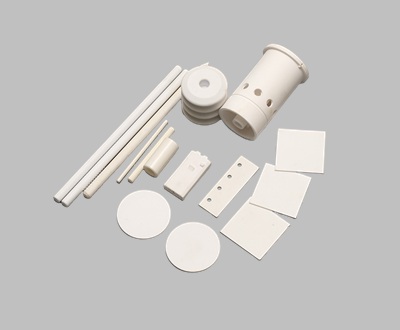
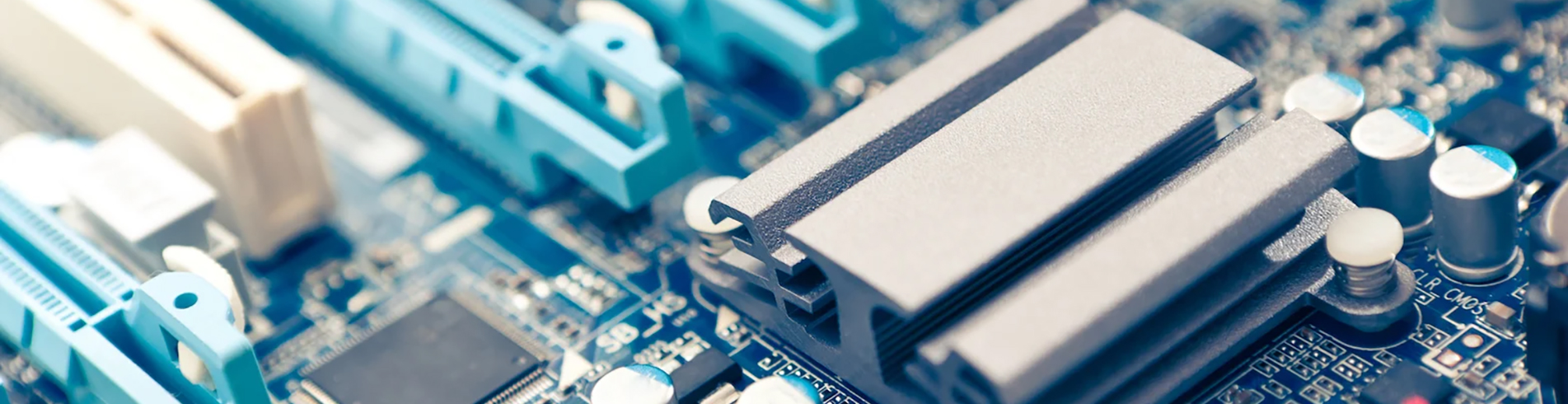
Стеатитовая керамика является одним из наиболее часто используемых технических керамических материалов в электротехнической изоляции и системах отопления благодаря своим превосходным электрическим характеристикам, механической стабильности и экономичности. По сравнению с традиционными изоляционными материалами, стеатитовая керамика обеспечивает надежную работу при высоких температурах, напряжении и в условиях непрерывной эксплуатации.
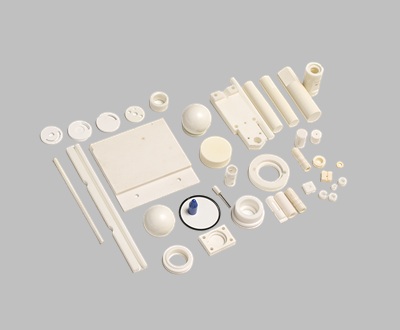
Для производителей систем отопления, электрооборудования и промышленных компонентов выбор правильного керамического материала имеет решающее значение. Различные области применения требуют различных сочетаний прочности изоляции, термического сопротивления, механической прочности и точности размеров. Стеатитовая керамика стала предпочтительным выбором для таких компонентов, как опоры нагревательных элементов, клеммные колодки, изоляторы, основания резисторов и изготовленные на заказ керамические детали.
Понимание того, в каких областях стеатитовая керамика проявляет свои лучшие качества, помогает инженерам выбирать подходящие компоненты, снижать требования к техническому обслуживанию и повышать надежность продукции.
Стеатитовая керамика — это керамический материал на основе силиката магния, состоящий в основном из талька, глины и других минеральных добавок. После высокотемпературного обжига она образует плотную керамическую структуру с превосходными электроизоляционными свойствами и хорошей механической прочностью.
В отличие от обычных фарфоровых материалов, стеатитовая керамика обладает меньшими диэлектрическими потерями и лучшими характеристиками обработки, что делает ее подходящей для прецизионных компонентов, требующих стабильных электрических характеристик.
| Материальные свойства | Типичные показатели производительности | Преимущества приложения |
| Электроизоляция | Высокая диэлектрическая прочность и низкие диэлектрические потери | Надежная изоляция в электрических устройствах |
| Термостойкость | Подходит для непрерывной работы при высоких температурах. | Стабильная работа отопительного оборудования |
| Механическая прочность | Хорошая твердость и стабильность размеров. | Длительный срок службы промышленных компонентов |
| Обрабатываемость | Подходит для прецизионной обработки керамики. | Поддерживает разработку компонентов по индивидуальному заказу. |
В силу этих характеристик, Высокотемпературный стеатитовый керамический изолятор Этот материал широко используется в тех областях применения, где одновременно требуются электрическая изоляция и термическая стабильность.
Стеатитовая керамика не ограничивается какой-либо одной конкретной отраслью. Сочетание теплоизоляционных свойств и термостойкости делает ее подходящей для использования в самых разных промышленных условиях.
| Промышленность | Типичные керамические компоненты из стеатита | Основные требования |
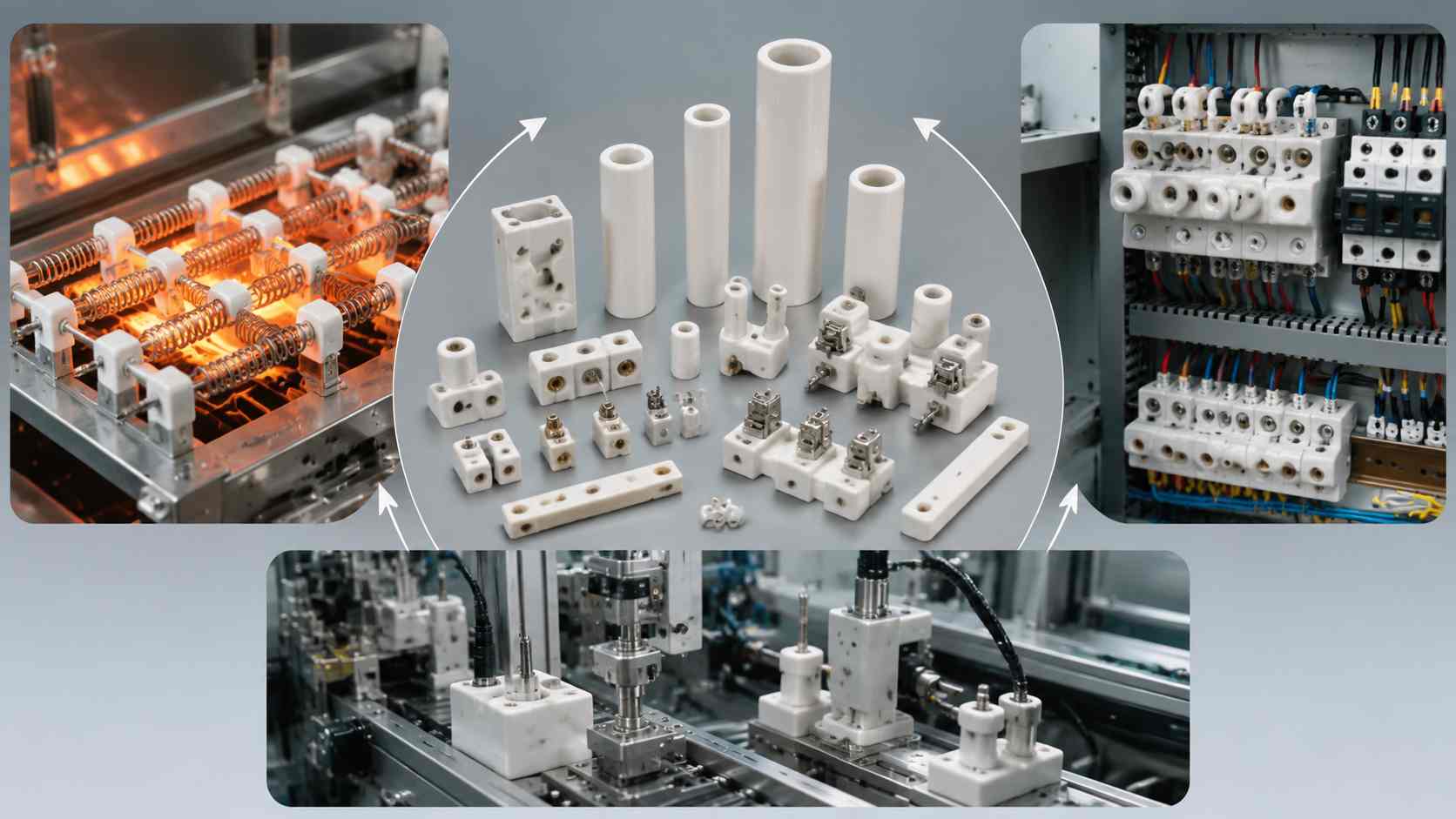
| Электрооборудование | Клеммные колодки, изоляционные опоры, основания разъемов. | Высокое сопротивление изоляции и стабильные характеристики напряжения |
| Отопительное оборудование | Опоры нагревательных элементов, керамические держатели, изоляторы резисторов. | Термостойкость и стабильность при термических циклах |
| Промышленные системы управления | Электрические прокладки, керамические крепления, защитные элементы | Механическая прочность и надежная изоляция |
| Новое энергетическое оборудование | Компоненты с высокотемпературной изоляцией | Надежность работы в долгосрочной перспективе |
В системах отопления стеатитовая керамика особенно ценна, поскольку она сохраняет свои теплоизоляционные свойства при многократных циклах нагрева и охлаждения. Это делает ее подходящей для нагревательных резистивных систем, промышленных нагревателей и электрических тепловых устройств.
Для систем отопления необходимы материалы, способные выдерживать высокие температуры и предотвращающие утечку электрического тока. Металлические компоненты обеспечивают отличную проводимость, но для обеспечения безопасности и эффективности им необходима надежная изоляция.
Компоненты из стеатитовой керамики часто используются вокруг нагревательных элементов, поскольку они обеспечивают электрическую изоляцию, сохраняя при этом структурную стабильность при термических нагрузках.
| Применение в отоплении | Функция стеатитовой керамики |
| Электрические обогреватели | Поддерживает нагревательные элементы и предотвращает электрический контакт. |
| Промышленный резистивный нагрев | Обеспечивает теплоизоляцию и механическую защиту. |
| Тепловое оборудование | Обеспечивает стабильность компонентов при изменении температуры. |
| Соединители для нагрева | Обеспечивает безопасные точки подключения электропитания. |
Для производителей отопительного оборудования выбор... Компонент стеатитовой керамики, обладающий сопротивлением нагреву. может повысить электробезопасность, снизить риск отказа компонентов и продлить срок службы изделия.
Выбор керамического компонента требует большего, чем просто проверка размеров. Инженеры должны оценить рабочую температуру, электрические характеристики, механические нагрузки и условия окружающей среды.
| Фактор отбора | Вопросы для размышления |
| Рабочая температура | Будет ли керамический компонент подвергаться непрерывному нагреву или термическим циклам? |
| Электрические характеристики | Какие требования к напряжению изоляции и диэлектрической проницаемости необходимы? |
| Механическая структура | Требует ли данный компонент ударопрочности или несущей способности? |
| Настройка | Требуются ли специальные формы, отверстия или точные размеры? |
Для специализированных промышленных применений важно сотрудничать с производителем, обеспечивающим высокоточную обработку керамики. Профессиональный поставщик может оптимизировать выбор материалов, конструкцию и производственные процессы в соответствии с конечными условиями эксплуатации.
Различные керамические материалы обеспечивают разные преимущества в эксплуатационных характеристиках. Стеатитовая керамика часто выбирается потому, что она обеспечивает практичный баланс между электрической изоляцией, механической прочностью и стоимостью производства.
| Материал | Главное преимущество | Типичные приложения |
| Стеатитовая керамика | Хорошая теплоизоляция, низкие теплопотери, экономичность. | Электроизоляторы, нагревательные элементы |
| Алюмокерамика | Повышенная твердость и износостойкость. | Электронные подложки, высокопрочные детали |
| Циркониевая керамика | Отличная прочность и износостойкость | Прецизионные механические компоненты |
Хотя керамика на основе оксида алюминия и диоксида циркония предпочтительна для некоторых сложных механических применений, стеатитовая керамика остается практичным решением для электрической изоляции и компонентов, связанных с нагревом, где важны стабильные характеристики и контроль затрат.
По мере того как электрооборудование становится все более компактным, а промышленные системы требуют повышения надежности, керамические изоляционные материалы продолжают играть важную роль. Отопительное оборудование, системы автоматизации и энергосберегающие устройства требуют компонентов, способных безопасно работать в сложных условиях.
Производители также увеличивают спрос на изготовленные на заказ керамические детали с точными размерами и сложной структурой. Передовые технологии обработки керамики позволяют поставщикам производить компоненты в соответствии с конкретными чертежами, условиями эксплуатации и требованиями к производительности.
Для компаний, нуждающихся в надежных решениях в области керамики, выбор опытного специалиста имеет первостепенное значение. Производитель прецизионных керамических деталей из стеатита Это помогает обеспечить стабильное качество, точное производство и надлежащие эксплуатационные характеристики материалов для долгосрочного промышленного применения.

24/7 Call Service +8618018373518
Электронная почта : yxshenxing88@vip.163.com
Адрес : No. 2022, Baoyang Road, Chuanbu Industrial Zone, Yixing City, Wuxi City, Jiangsu Province


блог Xml политика конфиденциальности Карта сайта
Авторские права @ 2026 Исинская компания Shenxing Technology Co., Ltd. Все права защищены.
 ПОДДЕРЖИВАЕТСЯ СЕТЬ
оставить сообщение
Отсканируйте QR-код для отправки в WeChat :

Отсканируйте в WhatsApp :



 2025-10-14