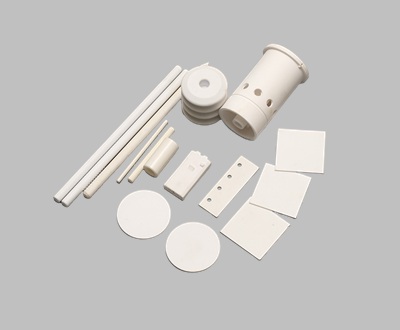
Почему протекает ваше керамическое уплотнительное кольцо? (И как это предотвратить)
Jun 15, 2026
Утечки из-за керамических уплотнительных колец часто возникают из-за неправильной установки, износа материала или суровых условий окружающей среды. Перед началом любого ремонта необходимо точно определить причину. Уплотнения из карбида кремния устойчивы к химическому воздействию и сохраняют высокую твердость, что помогает предотвратить утечки в сложных условиях химической обработки. Основные выводыПравильная установка имеет решающее значение. Всегда следуйте рекомендациям производителя и используйте откалиброванный динамометрический ключ для обеспечения равномерного давления.Регулярные осмотры позволяют выявить признаки износа на ранней стадии. Проверяйте наличие трещин, сколов и повреждений поверхности, чтобы предотвратить протечки до их возникновения.Выберите подходящие материалы для вашего применения. Подберите керамические уплотнительные кольца, соответствующие специфическим требованиям вашей среды, чтобы повысить надежность. Причины протечек керамических уплотнительных колецУтечки из керамических уплотнительных колец могут нарушить работу механических систем и привести к дорогостоящим простоям. Необходимо понимать основные причины, чтобы предотвратить будущие поломки. Наиболее распространенные причины включают неправильную установку, износ материала, а также воздействие окружающей среды или химических веществ. Каждый из этих факторов может поставить под угрозу целостность уплотнения и снизить надежность системы. В отличие от восковых колец, которые часто выходят из строя из-за деформации или перепадов температуры, керамические кольца требуют точного обращения и подбора материала. Неправильная установкаПротечки могут возникнуть, если не соблюдать правильную процедуру установки. Многие протечки начинаются с простых ошибок при сборке. К распространенным ошибкам при установке относятся:Несоблюдение технических характеристик производителя.Недостаточная проверка компонентов перед сборкой.Пренебрежение надлежащими техническими характеристиками крутящего моментаПропуск этих шагов может привести к образованию зазоров или неравномерному давлению на уплотнительную поверхность. Это может привести к утечке жидкостей или газов. Восковые кольца часто протекают по аналогичным причинам, таким как неравномерное сжатие или неправильная центровка. Всегда проверяйте рекомендации производителя и осматривайте все детали перед установкой.Кончик: Перед установкой керамического уплотнительного кольца используйте откалиброванный динамометрический ключ и убедитесь, что все поверхности чистые и свободны от мусора. Износ и деградация материаловСо временем материалы керамического уплотнительного кольца могут разрушаться. Вы можете заметить протечки, если на кольце появятся трещины, сколы или износ поверхности. Эти дефекты часто возникают в результате многократных термических циклов, механических нагрузок или воздействия абразивных частиц. Например, видимые трещины или сколы на керамической поверхности могут привести к быстрой утечке, особенно после резких перепадов температуры. Это снижает ровность уплотнительной поверхности и позволяет жидкости обходить уплотнение.Отраслевые стандарты требуют тщательного контроля качества для предотвращения подобных проблем. В таблице ниже показано, как заводы обеспечивают надежность керамических уплотнительных колец:АспектПодробностиКонтроль качестваПроведение всесторонних проверок точности размеров и характеристик материалов для предотвращения отказов.Контроль размеровИспользуется координатно-измерительная машина с точностью 0,7 мкм для проверки округлости и допуска.Осмотр поверхностиИспользует профилометры для выявления микроцарапин, которые могут повлиять на герметичность.Тестирование производительностиВключает в себя испытания, специфичные для конкретного применения, такие как кислотостойкость и термостойкость.Выбор материаловРазличные виды керамики (например, оксид алюминия, диоксид циркония) выбираются в зависимости от конкретных промышленных потребностей.Индивидуальные решенияЗаводы поставляют такие материалы, как карбид кремния, для экстремальных условий эксплуатации, обеспечивая надежность.Всегда выбирайте кольцо из материалов, соответствующих требованиям вашего применения. Алюмокерамика Обладают высокой твердостью и кислотостойкостью для общего применения. Циркониевая керамика обеспечивает прочность и устойчивость к термическим ударам в условиях высоких нагрузок. Карбид кремния и нитрид кремния превосходно зарекомендовали себя в экстремальных условиях, таких как химические реакторы и высокотемпературные компоненты. Экологический и химический ущербАгрессивные условия окружающей среды могут ускорить износ керамического уплотнительного кольца. Утечки могут возникнуть, если кольцо подвергается воздействию агрессивных химических веществ, экстремальных температур или резких перепадов температуры. Химическое воздействие может привести к эрозии керамической поверхности, а термический шок — к образованию трещин или сколов. Отложения ПЭГ на основной уплотнительной поверхности также могут снизить плоскостность и способствовать протечкам.Чтобы предотвратить эти проблемы, следует избегать резких перепадов температуры и выбирать материалы с более высокой устойчивостью к термическим ударам. При выборе уплотнительного кольца всегда учитывайте химический состав и температуру, присутствующие в вашей системе. Регулярный осмотр помогает выявить ранние признаки повреждений до того, как возникнут протечки.Примечание: Экологический и химический ущерб часто остается незамеченным до тех пор, пока не возникнет утечка. Регулярные проверки необходимы для поддержания надежности системы.Понимая эти причины, вы сможете предпринять шаги для предотвращения протечек и продления срока службы вашего керамического уплотнительного кольца. Этапы диагностики и ремонтаВизуальный осмотр и тестированиеБольшинство протечек в керамическом уплотнительном кольце можно обнаружить путем тщательного осмотра и простых тестов. Начните с выключения системы и дайте всем компонентам остыть. Используйте фонарик, чтобы проверить наличие видимых трещин, сколов или изменения цвета на керамической поверхности. Осмотрите окружающую область на наличие пятен жидкости, коррозии или остатков, которые часто указывают на медленную утечку. Аккуратно проведите пальцем по уплотнению, чтобы нащупать шероховатости или неровности.Если вы подозреваете утечку, но не видите явных повреждений, проведите проверку под давлением. Создайте в системе давление воздуха или воды и следите за падением давления или появлением влаги вокруг уплотнения. Вы также можете использовать капиллярный контроль для выявления тонких трещин, невидимых невооруженным глазом. Эти шаги помогут вам подтвердить источник утечки, прежде чем приступать к ремонту.Кончик: При проведении осмотра и испытаний всегда надевайте защитные перчатки и защитные очки. Устранение протечек керамического уплотнительного кольцаПосле обнаружения протечки необходимо решить, ремонтировать или заменять уплотнение. При незначительном загрязнении поверхности или отложениях очистите керамическое уплотнительное кольцо безворсовой тканью и подходящим растворителем. Удалите все загрязнения и отложения, чтобы восстановить гладкую уплотнительную поверхность. Если вы обнаружите небольшие царапины, отполируйте керамическую поверхность мелкозернистой абразивной насадкой, но избегайте удаления слишком большого количества материала.При повторной установке или замене уплотнителя следуйте этим передовым отраслевым практикам:Точно измерьте канавку, чтобы новое кольцо идеально подошло.Выберите подходящее поперечное сечение для вашего применения.Нанесите на кольцо и корпус подходящую смазку. Этот шаг предотвратит повреждения при установке и улучшит герметичность.Если вы заметили утечки при высоком давлении, рассмотрите возможность установки поддерживающего кольца для устранения зазоров при экструзии.Для экстремальных условий рекомендуется использовать передовые материалы, такие как FFKM или AFLAS, которые обеспечивают превосходную устойчивость к высоким температурам и химическим веществам.В экстренных случаях для временного, нестандартного ремонта используйте шнур с уплотнительным кольцом.Всегда следуйте инструкциям производителя по установке. Используйте откалиброванный динамометрический ключ для равномерной затяжки крепежных элементов. Тщательно очистите все поверхности перед сборкой. Эти шаги помогут вам добиться надежного уплотнения и продлить срок службы вашего оборудования. Керамическое уплотнительное кольцо для насосов высокого давления. Когда следует заменить кольцо?Керамическое уплотнительное кольцо необходимо заменить, если обнаружены глубокие трещины, сколы или значительный износ. Замена также необходима, если кольцо не проходит повторные испытания под давлением или если после очистки и повторной установки наблюдаются постоянные протечки. Не пытайтесь ремонтировать кольца с повреждениями конструкции, так как это может привести к внезапному выходу из строя и дорогостоящим простоям.Выберите сменное кольцо, соответствующее техническим характеристикам вашей системы. Рассмотрите возможность перехода на более новую модель. химически стойкое керамическое уплотнительное кольцо Если в вашей работе используются агрессивные жидкости, выберите подходящий вариант. Для работы в условиях высоких температур выберите другой вариант. термостойкое керамическое уплотнительное кольцоЭти усовершенствования повышают надежность и снижают риск будущих утечек.Примечание: Держите запасные уплотнительные кольца на складе, чтобы свести к минимуму время простоя во время аварийного ремонта.Следуя этим шагам, вы сможете эффективно диагностировать, ремонтировать или заменять керамическое уплотнительное кольцо. Регулярный осмотр и правильная установка обеспечивают долговременную работу и безопасность системы. Предотвращение протечек в керамических уплотнительных кольцахСоветы по техническому обслуживаниюВы можете продлить срок службы вашего керамического уплотнительного кольца, соблюдая регулярный режим технического обслуживания. Регулярная чистка удаляет мусор и загрязнения, вызывающие износ. Мониторинг состояния помогает отслеживать производительность и прогнозировать потребности в техническом обслуживании. Современные материалы и покрытия повышают долговечность и устойчивость к повреждениям. Рассмотрите возможность установки системы умягчения воды для всего дома, чтобы снизить содержание минералов, и добавьте предварительную фильтрацию, если в вашей воде присутствует видимый осадок. Всегда следуйте рекомендациям производителя относительно предельных значений давления и интервалов замены.Практика технического обслуживанияОписаниеРегулярная уборкаПредотвращает попадание мусора и загрязнений на кольца.Мониторинг состоянияОтслеживает рабочие характеристики и износ для прогнозирования потребностей в техническом обслуживании.Использование современных материалов и покрытийПовышает прочность и износостойкость.Регулярные проверки предотвращают протечки и снижают долгосрочные затраты на ремонт. В таблице ниже указаны рекомендуемые интервалы проверок:ЗадачаЧастотаКритерии приемлемостиВизуальный осмотр открытых уплотненийЕженедельноНикакой потертой оплетки, никаких видимых металлических вкраплений.Проверка компрессии болтов/зажимов.ЕжемесячноСтепень сжатия в пределах рекомендованного поставщиком диапазона.Очистка остатков флюсаЕжемесячно или после разливаВблизи герметика отсутствуют соли или остатки флюса. Рекомендации по установкеНадежная герметизация достигается соблюдением лучших практик при монтаже. Тщательно очистите все поверхности перед сборкой. Используйте калиброванный динамометрический ключ для обеспечения равномерного сжатия. Выберите правильное поперечное сечение и материал для вашего применения. Компания Yixing Shenxing предлагает высококачественные керамические уплотнительные кольца с точными допусками и современными покрытиями, что делает их идеальными для сложных условий эксплуатации. Благодаря их опыту вы получаете продукцию, соответствующую строгим отраслевым стандартам.Совет: Держите запасные кольца под рукой, чтобы свести к минимуму время простоя во время аварийного ремонта. Выбор между восковыми и силиконовыми кольцамиДля герметизации вам предстоит выбрать между восковыми и силиконовыми кольцами. Силиконовые кольца обеспечивают превосходную герметизацию и надежность по сравнению с традиционными восковыми кольцами. Силикон устойчив к деформации, перепадам температуры и химическому воздействию. Восковые кольца часто выходят из строя из-за сжатия или смещения. Для работы в условиях высокого давления или воздействия химических веществ следует выбирать керамические уплотнительные кольца для насосов высокого давления или химически стойкие керамические уплотнительные кольца. Силиконовые кольца обеспечивают более длительный срок службы и снижают частоту технического обслуживания.АспектПрофилактические мерыСтоимость ремонтаСточные водыПредотвращает протечки, экономя более 3000 галлонов в год.Значительные потери из-за утечекПериодичность технического обслуживанияРегулярные проверки и заменаТребуется срочный ремонт.Долгосрочный ущербСнижает риск образования плесени и повреждения мебели.Более высокие затраты из-за значительных поврежденийЧастота заменыПлановая замена картриджа каждые 5-10 лет.Возможна полная замена смесителя.Следуя этим советам, вы защитите свое термостойкое керамическое уплотнительное кольцо и обеспечите его надежную работу. Предотвратить протечки можно, выбрав подходящее химически стойкое керамическое уплотнительное кольцо, проводя регулярные проверки и соблюдая лучшие практики монтажа. Выбор материала влияет на надежность и срок службы. Ознакомьтесь с таблицей ниже, чтобы узнать основные выводы из отрасли:Главный выводОписаниеВыбор материаловПодберите герметизирующие материалы в соответствии с рабочей средой.Методы технического обслуживанияИспользуйте прогнозирующее техническое обслуживание.Операционные факторыКонтролируйте давление, температуру и смазку.Проявляйте инициативу, чтобы защитить ваше термостойкое керамическое уплотнительное кольцо и избежать дорогостоящего ремонта. Часто задаваемые вопросыЧто вызывает Керамическое уплотнительное кольцо для насосов высокого давления потерпеть неудачу?Часто причиной поломок является неправильная установка, усталость материала или воздействие агрессивных химических веществ. Всегда выбирайте материал, подходящий для вашего конкретного применения.Как вы чистите химически стойкое керамическое уплотнительное кольцо?Используйте безворсовую ткань и подходящий растворитель. Аккуратно удалите все загрязнения. Избегайте абразивных чистящих средств, чтобы защитить керамическую поверхность.Можно ли использовать повторно термостойкое керамическое уплотнительное кольцо после удаления?Не следует использовать его повторно. Снятие может привести к образованию микротрещин или повреждению поверхности. Для надежной герметизации всегда устанавливайте новое кольцо.







 ПОДДЕРЖИВАЕТСЯ СЕТЬ



 2025-10-14