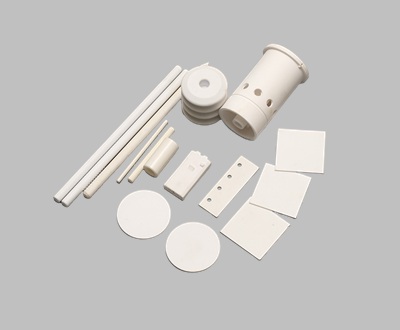
Каковы основные правила проектирования, которым следует следовать при разработке керамических компонентов на заказ?
Feb 04, 2026
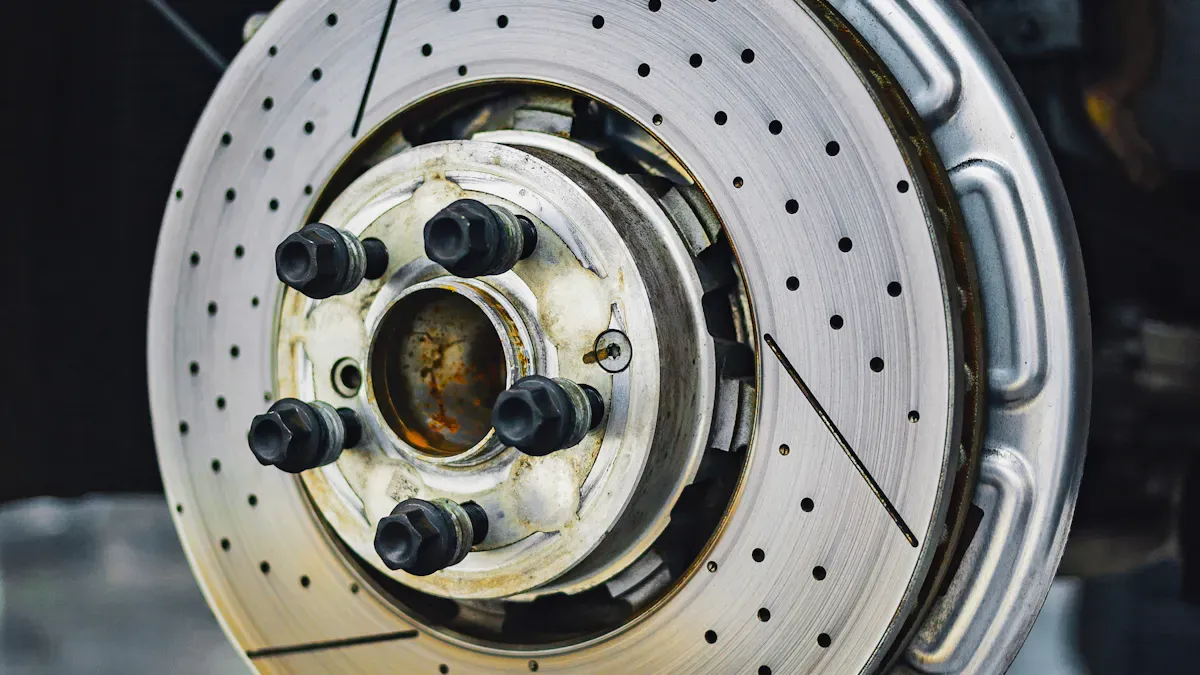
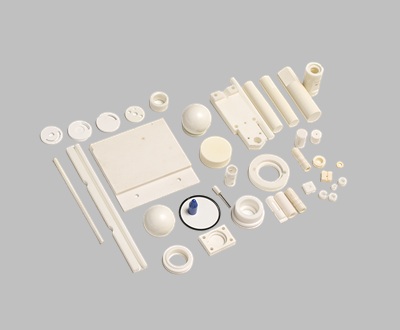
При проектировании керамических компонентов на заказ необходимо соблюдать несколько важных правил. В отличие от металлов или пластмасс, техническая керамика требует особого подхода к геометрии и обработке из-за своей твердости и хрупкости. Следует сосредоточиться на выборе подходящего материала, планировании технологичности производства и обеспечении точной обработки. Эти шаги повышают производительность, надежность и экономическую эффективность. Компания Shenxing предлагает передовые керамические решения, такие как нагревательные элементы, трубки и шайбы, чтобы помочь вам добиться успеха в ваших проектах. Тщательное проектирование закладывает основу для долговечных и высококачественных керамических компонентов.Ключевые правила проектирования керамики на заказОбзор основных принциповПрежде чем приступать к любому проекту по изготовлению керамических компонентов на заказ, необходимо понимать основные правила проектирования. Эти правила помогут вам создавать компоненты, которые будут хорошо работать и служить дольше. На каждом этапе процесса необходимо уделять внимание точности. В таблице ниже приведены наиболее общепризнанные основные правила проектирования керамических компонентов на заказ в соответствии с ведущими инженерными стандартами: Правила проектированияОписаниеПроектирование с учетом технологичности производства (DFM)Такие корректировки, как добавление закруглений к острым углам, снижают риск образования трещин и повышают структурную целостность.Управление точностью допусковДостижение жестких допусков ± 0,005 мм имеет решающее значение для технической керамики, поскольку необходимо найти баланс между точностью и стоимостью.Контролируемая среда обработкиСовременная обработка на станках с ЧПУ предотвращает образование микротрещин, что крайне важно для сложных геометрических форм в керамике.Строгий контроль качестваМноготочечный контроль обеспечивает соответствие размеров и качества поверхности требованиям конкретного применения. При проектировании керамических компонентов на заказ всегда следует учитывать эти правила. Каждое правило касается определенного аспекта процесса, от первоначального проектирования до окончательной проверки. Следуя этим рекомендациям, вы можете достичь высокой точности. Такой подход гарантирует, что ваши керамические компоненты будут соответствовать требованиям современных применений. Важность соблюдения правил проектированияДля обеспечения успеха ваших индивидуальных керамических проектов необходимо следовать важнейшим правилам проектирования. Уделяя внимание выбору материалов, геометрии и отделке поверхности, вы повышаете эксплуатационные характеристики ваших керамических изделий. Передовые производственные процессы, такие как аддитивное производство, позволяют создавать сложные формы, улучшающие функциональность ваших конструкций. Также можно использовать геометрическую функционализацию для сокращения количества дополнительных этапов обработки, что экономит время и ресурсы. Вы повышаете надежность своих керамических компонентов, уделяя особое внимание точности.Вы снижаете риск дефектов и сбоев в ресурсоемких приложениях.Вы должны убедиться, что ваши проекты соответствуют отраслевым стандартам и ожиданиям клиентов. Следует помнить, что точность — это не только измерения. Точность также подразумевает выбор правильного материала, контроль условий обработки и проверку каждой детали. Следуя этим важнейшим правилам проектирования, вы обеспечите успех ваших изготовленных на заказ керамических компонентов в широком спектре инженерных применений. Выбор материалов для изготовления керамических компонентов на заказ.Оксид алюминия и другие виды керамикиПри выборе материалов для изготовления керамических компонентов на заказ перед вами открывается множество вариантов. Каждый тип керамики обладает уникальными свойствами, которые подходят для различных инженерных задач. Например, если вы проектируете универсальный компонент Деталь из оксида алюминия и керамики При выборе материала для электротехнических применений необходимо учитывать его диэлектрическую прочность и теплопроводность. Оксид алюминия часто является предпочтительным материалом, поскольку он обеспечивает баланс механической прочности и электроизоляции, которому мало кто из других материалов может сравниться. В таблице ниже представлены наиболее распространенные типы керамических материалов, их типичные свойства и области применения: Тип керамикиТипичные свойстваПриложенияТрадиционная керамикаИспользуемые на протяжении веков, эти изделия включают в себя фаянс, каменную керамику и фарфор.Керамика, посудаОксидная керамикаВысокая температура плавления, отличная электроизоляция, хорошая химическая стойкость.Огнеупорные материалы, электроизоляционные материалы, теплоизоляционные барьерыНитридная керамикаВысокая теплопроводность, превосходная механическая прочность, хорошая износостойкость.Режущие инструменты, подшипники, радиаторыКарбидная керамикаИсключительная твердость, высокие температуры плавления, превосходная химическая стойкость.Режущие инструменты, абразивы, броняСиликатная керамикаРазнообразные свойства, зависящие от состава, включают стекло, фарфор, огнеупорную глину.Посуда, изоляционные материалы, строительные материалы Алюмокерамика Shenxing выделяется среди оксидной керамики. Вы получаете преимущества от её высокой твердости, износостойкости и термической стабильности. Эти качества делают любую деталь из алюмокерамики идеальной для высокоточных компонентов в электронике, машиностроении и специализированных областях применения, где металлические компоненты выйдут из строя из-за коррозии или износа. Сопоставление свойств с приложениемНеобходимо подобрать свойства керамики, соответствующие вашим задачам. Начните с описания характеристик и условий, необходимых для вашего проекта. Например, если вам требуется электрическая изоляция и долговечность, керамика из оксида алюминия от компании Shenxing обеспечит превосходные результаты. Чтобы узнать, как выбрать подходящую керамику, обратитесь к проверенному поставщику и протестируйте образцы в реальных условиях. Передовые методы производства, такие как спекание и литье под давлением, помогут вам добиться наилучшего соответствия для ваших керамических компонентов, изготовленных на заказ. Факторы стоимости и доступностиПри выборе материалов необходимо учитывать баланс между стоимостью, прочностью и производительностью. Стоимость керамики зависит от сырья и методов обработки. Анализ затрат и выгод поможет оценить производительность и цену, гарантируя выбор оптимального соотношения цены и качества для ваших керамических компонентов, изготовленных на заказ. Алюмооксидная керамика Shenxing — надежный выбор для проектов, требующих как качества, так и эффективности. Сравните стоимость различных видов керамических материалов.Проанализируйте наличие и сроки поставки выбранной вами керамики.Выбирайте материалы, которые соответствуют вашему бюджету, не жертвуя при этом качеством. Понимая, как правильно выбрать керамику, вы обеспечите успех своим изготовленным на заказ керамическим компонентам в любом инженерном проекте. Проектирование с учетом технологичности производстваПростота геометрии и функциональностиПри проектировании детали сосредоточьтесь на простых формах и четких линиях. Простая геометрия облегчает изготовление керамических компонентов с высокой точностью. Сложные формы могут увеличить производственные затраты и сроки выполнения заказа. Следует учитывать, как геометрия влияет на возможность формовки, механической обработки и финишной обработки детали. Например, если вы занимаетесь проектированием Керамическая поршневая трубка Для дозирующего насоса геометрия внутреннего отверстия имеет решающее значение. Хотя керамика отлично подходит для этого применения благодаря своей износостойкости, конструкция с внутренними подрезами или нестандартной резьбой может сделать необходимую внутреннюю шлифовку практически невозможной. Поддержание прямой и однородной внутренней геометрии керамической поршневой трубки гарантирует, что хонинговальные инструменты смогут обеспечить необходимую чистоту поверхности для герметичного уплотнения жидкости. Простые решения снижают риск дефектов.Закругленные углы помогают предотвратить растрескивание в процессе обработки.Постоянная толщина стенок повышает прочность и надежность. Также необходимо учитывать объемы производства и сложность керамического компонента. Высокая сложность может потребовать использования сложных пресс-форм или специальных этапов механической обработки. Всегда уточняйте у поставщика, может ли он предложить изменения в конструкции, которые улучшат технологичность без потери функциональности. Допуски и толщина стенкиДля изготовления керамических деталей необходимо устанавливать реалистичные допуски. Жесткие допуски могут увеличить затраты и замедлить производство. Материал и технологический процесс, например, спекание или литье под давлением, влияют на конечный размер и форму. Вам следует сотрудничать с поставщиком, чтобы выбрать допуски, которые обеспечат баланс между производительностью и технологичностью. Контроль технологического процесса, включая тщательный мониторинг температуры и давления, помогает достичь необходимых допусков. Конструкция пресс-формы также играет ключевую роль в конечной точности детали. Учет веса и формыПри проектировании следует учитывать вес и общую форму. Легкие конструкции требуют меньше материала и обходятся дешевле в производстве. Однако необходимо убедиться, что деталь остается достаточно прочной для своего применения. Проанализируйте экономическую целесообразность, сравнив себестоимость одной детали и точку безубыточности.Убедитесь, что проект соответствует стандартам качества и нормативным требованиям. Форма керамической детали влияет на простоту ее изготовления и на то, насколько хорошо она будет работать в эксплуатации. Сосредоточившись на этих факторах, вы создаете компоненты, которые одновременно эффективны и надежны. Передовые методы обработки керамикиВыбор инструментов и контроль процессаПри обработке керамики необходимо уделять пристальное внимание выбору инструмента и контролю процесса. Правильный выбор режущего инструмента имеет решающее значение, поскольку керамика — твердый и абразивный материал. Для уменьшения износа инструмента и поддержания точности можно использовать алмазные шлифовальные круги, фрезы с алмазным покрытием или фрезы из кубического нитрида бора (CBN). Условия обработки также играют ключевую роль. Поддерживайте чистоту и стабильность рабочего места, чтобы избежать вибрации и загрязнения. Постоянная итерация в производстве помогает совершенствовать процесс обработки керамики и добиваться лучших результатов с каждой партией. Ниже приведена таблица, в которой обобщены эффективные методы минимизации износа инструмента: ТехникаОписаниеАлмазная шлифовкаСнижает износ инструмента при работе с абразивной керамикой.Оптимизированные параметры шлифовкиРазмер зерна, тип связующего вещества и скорость вращения шлифовального круга имеют решающее значение для срока службы инструмента.Алмазные и кубические нитриды бораВысокая скорость вращения шпинделя и низкая скорость подачи снижают напряжение.Ультразвуковое бурениеВысокочастотные вибрации минимизируют тепловыделение и напряжение.Электроэрозионная обработкаИспользует электрические искры для создания сложных форм без механического напряжения. Параметры обработки керамики на станках с ЧПУДля достижения высокой точности и качества при обработке керамики на станках с ЧПУ необходимо понимать ключевые параметры. Скорость резания, скорость подачи и скорость вращения шпинделя влияют на результат. Более низкие скорости резания предотвращают образование трещин, а контролируемая скорость подачи обеспечивает плавное удаление материала. Высокие скорости вращения шпинделя снижают трение и повышают точность. Охлаждающая жидкость и смазка уменьшают нагрев, что помогает предотвратить напряжение в керамике. Правильное крепление заготовки и контроль вибрации обеспечивают стабильность детали во время обработки керамики на станках с ЧПУ. В таблице ниже показано, как эти параметры влияют на ваши результаты: Параметры обработки на станке с ЧПУВлияние на качество и точностьСкорость резкиБолее низкие скорости предотвращают растрескивание.Скорость подачиКонтролируемая подача обеспечивает плавное удаление материала.Скорость вращения шпинделяВысокие скорости повышают точность.Охлаждающая жидкость и смазкаСнижает накопление тепла и снижает стресс.Скорость удаления материалаНеобходимо обеспечить балансировку во избежание износа инструмента.Крепление заготовок и контроль вибрацииОбеспечивает стабильность и точность. Минимизация трещин и дефектовЧтобы минимизировать образование трещин и дефектов при обработке керамики на станках с ЧПУ, следуйте нескольким советам для успешной обработки. Используйте более низкие скорости подачи и резания, чтобы избежать ударных нагрузок на материал. Поддерживайте заготовку мягкими зажимами или вакуумными приспособлениями. Выберите правильный режущий инструмент и стратегию траектории движения инструмента для равномерного распределения напряжений. Многоосевая обработка керамики на станках с ЧПУ позволяет создавать сложные формы с меньшим количеством точек напряжения. Избегайте острых внутренних углов и используйте охлаждающие жидкости для снижения нагрева. Делайте проходы неглубокими и давайте материалу остыть между проходами. Поддерживайте тонкие детали дополнительной опорой и используйте тонкую алмазную шлифовку для получения гладкой поверхности. Для деликатных деталей попробуйте ультразвуковую обработку или лазерную резку. Контроль качества в производстве керамики на заказ.Методы контроля и испытанийДля обеспечения качества изготовленных на заказ керамических компонентов необходимо использовать точные методы контроля и испытаний. Эти методы помогают подтвердить соответствие каждой детали строгим инженерным стандартам. Для проверки поверхностных дефектов и измерения размеров можно использовать передовые оптические системы. Испытания механических свойств позволяют получить данные о прочности на растяжение и пределе текучести. Для керамики также следует обратить внимание на плотность, пористость и прочность на изгиб. Эти испытания гарантируют надежную работу компонентов в сложных условиях. Для высокоточных уплотнительных работ проверка плоскостности имеет решающее значение. Если вы занимаетесь производством... Керамическое уплотнительное кольцоНапример, стандартного визуального осмотра часто бывает недостаточно. Для обеспечения идеально ровной поверхности керамического уплотнительного кольца может потребоваться использование монохроматических световых полос или лазерной интерферометрии. Даже микроскопические отклонения от плоскости могут привести к утечкам в насосах высокого давления или механических уплотнительных узлах. Ниже приведено краткое описание наиболее распространенных методов проверки и тестирования: МетодОписаниеИспытание механических свойствПроводит оценку прочности на растяжение, предела текучести и относительного удлинения в соответствии со стандартами ASTM.Контроль размеров и поверхностиПодтверждает точность размеров и выявляет дефекты поверхности с помощью оптических систем.Фокус тестирования по типу материалаК специфическим критериям оценки керамических материалов относятся плотность, пористость и прочность на изгиб. Всегда документируйте полученные результаты и сравнивайте их с проектными требованиями. Этот процесс помогает поддерживать высокую точность и стабильное качество на протяжении всего производства. Общие проблемы и решенияХрупкость и риск переломаХрупкость — одна из самых распространенных проблем в керамической инженерии. Керамика обладает чрезвычайно высокой твердостью и низкой пластичностью, что означает, что она может трескаться или разрушаться под воздействием силы. Быстрые перепады температуры также создают риск образования трещин. Эти проблемы можно решить, используя режущие инструменты с алмазным покрытием и щадящие методы обработки. Низкие скорости подачи и многопроходная обработка помогают поддерживать стабильность и снижать силы резания. Сегментная резка и импульсное охлаждение позволяют контролировать термические напряжения, повышая надежность процесса. Достижение идеальной чистоты поверхностиДля высокоэффективных керамических компонентов необходимо добиться идеально гладкой поверхности. Тонкая шлифовка и сверхточная обработка позволяют достичь точных размеров и качества поверхности. Минимальное количество смазки снижает износ инструмента во время обработки. Специализированные методы шлифовки, такие как возвратно-поступательная и ползучая шлифовка, используют определенные размеры зерна и скорость вращения шлифовального круга для оптимизации результатов. Притирка и хонингование дополнительно улучшают качество поверхности за счет контролируемого давления и концентрации суспензии. Охлаждение и управление смазкой предотвращают образование трещин и обеспечивают стабильную точность. ТехникаОписаниеКлючевые параметрыШлифовка керамикиДля придания формы и чистоты поверхности используются различные виды шлифовки.Размер зерна, тип связующего вещества, скорость вращения шлифовального круга.ПерекрытиеДля придания гладкости используется абразивная суспензия.Концентрация суспензии, давление, скорость кругаЗаточкаДорабатывает внутренние поверхности для повышения точности.Расход охлаждающей жидкости, длина хода поршня, давление Как избежать ошибок проектированияЧтобы избежать распространенных проблем при проектировании керамических компонентов, необходимо сосредоточиться на четырех ключевых областях: Проверьте термостойкость, чтобы убедиться, что ваша деталь выдержит резкие перепады температуры.Подтвердите механическую прочность и трещиностойкость при заданной нагрузке.Проверьте химическую совместимость с технологическими газами.Установите допуски на размеры, которые можно достичь при прецизионной обработке. Учет этих факторов на ранних этапах проектирования повышает надежность и производительность. Тщательное планирование и внимание к деталям помогают преодолеть наиболее распространенные проблемы в керамической инженерии. Особенности, специфичные для конкретного приложенияПромышленное и высокотехнологичное применениеВ различных отраслях промышленности используются керамические компоненты, изготовленные на заказ. Каждый сектор предъявляет уникальные требования к свойствам и характеристикам. В таблице ниже показано, как различные отрасли используют керамику и какие требования предъявляются к этим материалам: ПромышленностьПриложенияКлючевые свойстваАэрокосмическая отрасльДетали двигателя, теплозащитные экраны, изоляция космического аппаратаСила в суровых условияхАвтомобильная промышленностьТормоза, кислородные датчики, подшипникиТермостойкость и устойчивость к механическим нагрузкамЭлектроникаПолупроводники, резисторы, изоляторыИзоляция и теплоотводЛекарствоэндопротезирование тазобедренного сустава, зубные коронкиБиосовместимость и долговечностьЭнергияСолнечные панели, топливные элементыИзносостойкость и термостойкостьТяжелая промышленностьГорнодобывающее и буровое оборудованиеТвердость и устойчивость к коррозии Как видите, инновации в аэрокосмической, автомобильной, электронной и медицинской отраслях в критически важных областях применения опираются на керамику. Защитные нагревательные элементы, керамические трубки и уплотнительные шайбы Shenxing служат примерами того, как можно удовлетворить потребности в электронной, автомобильной и аэрокосмической отраслях. Сердечники для шлифовальных машин, изготовленные на заказ, также используются в пищевой промышленности и медицине. Кроме того, специализированные компоненты, такие как керамическое уплотнительное кольцо, незаменимы в тяжелой промышленности. В условиях работы с абразивными суспензиями или агрессивными химическими веществами стандартное металлическое уплотнение быстро изнашивается. Специально разработанное керамическое уплотнительное кольцо обеспечивает превосходную устойчивость к химическому воздействию и трению, значительно увеличивая интервалы технического обслуживания промышленных насосов и клапанов. Эти примеры демонстрируют, почему выбор правильного состава керамики — будь то оксид алюминия, диоксид циркония или карбид кремния — так важен. Экологические и нормативные потребностиПри проектировании изделий для конкретных применений необходимо учитывать экологические и нормативные требования. Многие отрасли, такие как пищевая и медицинская, требуют соблюдения строгих стандартов безопасности и гигиены, установленных такими организациями, как FDA и USDA. Необходимо использовать экологически устойчивые методы производства для соблюдения норм по выбросам и отходам. Производители часто тестируют и сертифицируют материалы, чтобы гарантировать их нетоксичность и безопасность. Также необходимо контролировать выбросы от производства керамики с помощью передовых систем, таких как электрические регенеративные термические окислители, чтобы соответствовать мировым стандартам чистоты воздуха. Индивидуальная настройка для уникальных приложенийУспешная индивидуализация достигается благодаря тесному сотрудничеству с производителями. Вы можете повысить точность изготовления, качество обработки кромок и стабильность прочности для специализированных применений в аэрокосмической, электронной и медицинской отраслях. Производители часто проводят анализ осуществимости и создают итеративные прототипы для обеспечения совместимости и снижения рисков перепроектирования. Вы получаете выгоду от строгого контроля качества, включая сертификацию ISO и передовые системы контроля, которые обеспечивают предсказуемое качество и более низкий процент дефектов. Экспертиза в области материаловедения позволяет создавать сложные геометрические формы и высококачественную отделку для инновационных решений в электронике и медицинской технике. Надежные цепочки поставок и оперативная инженерная поддержка помогают быстро адаптироваться к новым областям применения. Ассортимент продукции Shenxing, включающий нагревательные элементы, трубки, шайбы и сердечники для шлифовальных машин, демонстрирует возможности индивидуальной настройки для различных отраслей промышленности. Вы можете заказать изделия нестандартных размеров, форм и марок материалов, чтобы точно соответствовать потребностям аэрокосмической, автомобильной, электронной и медицинской отраслей. Часто задаваемые вопросыПочему керамика на основе оксида алюминия является хорошим выбором для изготовления компонентов на заказ?







 ПОДДЕРЖИВАЕТСЯ СЕТЬ



 2025-10-14