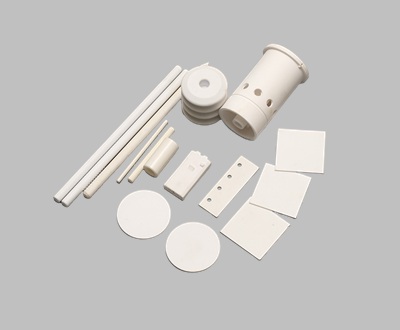
Как выбрать подходящую керамическую трубку из 99% оксида алюминия для вашего применения
May 08, 2026
Для вашего проекта необходимо выбрать подходящую керамическую трубку с чистотой 99%. Соответствие свойств керамической трубки с чистотой 99% вашему применению гарантирует высочайшую производительность и более длительный срок службы. Многие отрасли промышленности предпочитают керамические трубки с чистотой 99% благодаря их высокой чистоте, механической прочности и термической стабильности. Более 55% промышленных применений используют эти трубки благодаря их превосходной электроизоляции, термической стабильности и химической стойкости. В таблице ниже показано, как каждое свойство керамической трубки с чистотой 99% может влиять на производительность в сложных условиях.СвойствоОписаниеМеханическая прочностьПрочность на сжатие превышает 2200 МПа, что значительно выше, чем у многих металлов.ТермостойкостьВыдерживает температуру до 1650 °C без деформации и устойчив к термическим ударам.Химическая стойкостьПревосходная устойчивость к кислотам, щелочам и растворителям, обеспечивающая надежность в агрессивных средах.ИзносостойкостьВысокая износостойкость продлевает срок службы в условиях высокого трения.ЭлектроизоляцияБлокирует высоковольтные токи, что делает его безопасным для электроники и энергетических систем. Основные выводыДля высокоэффективных применений выбирайте керамические трубки из 99% оксида алюминия. Они обладают превосходной механической прочностью и термической стабильностью.Подберите свойства трубки в соответствии с конкретными потребностями вашего применения. Учитывайте такие факторы, как химическая стойкость и рабочая температура.Проверьте размеры и допуски, чтобы обеспечить правильную посадку. Это предотвратит протечки и смещение в ваших системах.Выберите надежного поставщика, который обеспечивает гарантию качества и техническую поддержку. Это гарантирует, что вы получите лучший продукт, соответствующий вашим потребностям.Сопоставьте свой бюджет с требованиями к производительности. Более высокие степени чистоты могут стоить дороже, но обеспечивают лучшую надежность в сложных условиях эксплуатации. Керамическая трубка 99% чистоты: чистота и основные свойства.Структура высокочистого оксида алюминияВам нужно понять, что делает Керамическая трубка из 99% оксида алюминия Выделяйтесь. Чистота — важнейший фактор. Высокочистый оксид алюминия содержит не менее 99% оксида алюминия. Такая степень чистоты придает трубке плотную структуру и очень низкую пористость. Разницу можно увидеть в таблице ниже:ПараметрТипичное значениеЧто проверитьЧистота≥99%, ≥99,7%Сертификат исходного тестированияПлотность3,7–3,98 г/см³Технические характеристики матчейОбъемное удельное сопротивление10¹³–10¹⁴ Ом·смПри указанной температуре (RT/500℃)Сверхчистый оксид алюминия необходим в таких отраслях, как производство полупроводников и медицинских изделий. Он обеспечивает превосходную изоляцию и химическую инертность. Снижается риск миграции ионов или загрязнения. Он защищает рабочие характеристики в критически важных областях применения. Например:Для полупроводниковых пластин и лодочек требуется чистота ≥99,7%.Для медицинских сенсорных трубок необходима чистота ≥99,5%.Для аналитических печных трубок требуется чистота ≥99,7%.В промышленных проходных устройствах используется чистота 95–99%.Высокочистые керамические трубки из оксида алюминия обладают прочной кристаллической решеткой. Такая структура устойчива к воздействию коррозионных газов и расплавленных металлов. В результате получаются непористые, газонепроницаемые трубки. Альтернативные материалы более низкой чистоты имеют более высокое термическое расширение и меньшую механическую прочность.ОсобенностьТрубки из высокочистого оксида алюминияАльтернативы с более низкой степенью чистотыТермостойкость>1700°CНижние температурные пределыМеханическая прочностьОчень высокийНижеЭлектроизоляцияОтличныйБеднееХимическая инертностьВысокая устойчивостьМенее устойчивыйГазонепроницаемостьНепористыйПористая Механические и тепловые характеристикиВы получаете выгоду от высокочистые керамические трубки из оксида алюминия потому что они обладают исключительными механическими и термическими свойствами. Кристаллическая структура обеспечивает твердость и прочность. В таблице ниже сравниваются различные степени чистоты:СвойствоCMAC99CMAC95CMAC97Твердость по Виккерсу (500 г)15,5 ГПа13,0 ГПа14,0 ГПаПрочность на изгиб (20°C)350 МПа320 МПа350 МПаПрочность на сжатие2250 МПа1960 МПа2200 МПаМодуль Юнга350 ГПа310 ГПа320 ГПаТеплопроводность27 Вт/(м·К)22 Вт/(м·К)24 Вт/(м·К)Максимальная рабочая температура1650 °C1600 °C1600 °CВысокочистый оксид алюминия сохраняет прочность и стабильность до 1650–1700 °C. Он предотвращает размягчение и коррозию. Материал устойчив к окислению и коррозии в агрессивных средах. Механические и электрические свойства сохраняются с течением времени. Высокие диэлектрические характеристики делают эти трубки идеальными для электроизоляции. Также обеспечивается превосходная износостойкость и химическая стойкость. Эти характеристики гарантируют надежность в сложных условиях эксплуатации. Потребности применения и выбор трубокПодбор керамики из оксида алюминия в соответствии с конкретными задачами применения.Необходимо подобрать свойства труб из оксида алюминия в соответствии с конкретными задачами. Каждая отрасль промышленности полагается на уникальные свойства оксида алюминия для решения технических проблем. Трубы из оксида алюминия используются в высокотемпературных печах, трубчатых печах, химической промышленности, производстве полупроводников и исследованиях перспективных материалов. В таблице ниже показано, как свойства материала влияют на эти области применения:Область примененияОписаниеВысокотемпературные печиИспользуются в качестве валков в валковых печах для транспортировки материалов в условиях экстремально высоких температур.Трубчатые печиОбразует центральную технологическую камеру, обеспечивающую высокую термостойкость и электрическую изоляцию.Химическая обработкаИдеально подходит для создания контролируемых сред, необходимых для процессов, требующих определенной атмосферы.Производство полупроводниковИспользуется в качестве защитных трубок для термопар, экранируя чувствительные компоненты от агрессивных сред.Исследования передовых материаловОбеспечивает чистоту и контроль окружающей среды, что крайне важно в исследовательских условиях.Вы выбираете трубки из оксида алюминия за их способность выдерживать экстремальные температуры и воздействие агрессивных химических веществ. Вы защищаете чувствительные компоненты в полупроводниковом производстве, используя высокочистый оксид алюминия. Вы поддерживаете контролируемую атмосферу в химических процессах с помощью нереактивных трубок. Вы полагаетесь на оксид алюминия в исследованиях передовых материалов, поскольку он предотвращает загрязнение и сохраняет целостность образцов.При сравнении марок оксида алюминия вы заметите, что более высокая чистота обеспечивает лучшие характеристики в сложных условиях эксплуатации. Приведенная ниже таблица поможет вам выбрать марку, соответствующую вашим потребностям:Чистота оксида алюминияМаксимальная температураЛучшие приложенияХимическая стойкостьТипичная стоимость95% оксид алюминия1450°CОсновные работы по печам, общепромышленные работы.ХорошийДоступный по цене99% оксид алюминия1600°CВысокотемпературная обработка, аэрокосмическая отрасльОчень хорошийСредний ценовой диапазон99,7% оксида алюминия1700°CПолупроводниковая промышленность, химическая обработкаОтличныйПремиумДля высокотемпературной обработки и аэрокосмической промышленности вы выбираете трубы из 99% оксида алюминия. Для полупроводниковой и химической промышленности, где чистота и химическая стойкость имеют первостепенное значение, вы выбираете трубы из 99,7% оксида алюминия. Вы используете 95% оксид алюминия для выполнения простых работ по обслуживанию печей, когда стоимость является приоритетом.При выборе трубок из оксида алюминия для конкретных задач необходимо учитывать несколько факторов:Химическая стойкость: Вам нужны трубки, способные выдерживать воздействие кислот и растворителей без загрязнения.Долговечность при механическом износе: вы сокращаете количество циклов замены, выбирая камеры с высокой твердостью и износостойкостью.Термостойкость: целостность трубки сохраняется в экстремальных температурных условиях.Требования, специфичные для конкретного приложения: необходимо проверить уровни напряжения и условия эксплуатации для обеспечения оптимальной производительности.Вы оцениваете эти факторы, чтобы выбрать подходящую трубку для ваших задач. Благодаря взвешенному выбору вы избегаете дорогостоящих простоев и повышаете надежность. Размеры, допуски и посадкаПри выборе труб из оксида алюминия необходимо обращать внимание на размеры и допуски. Правильный внутренний диаметр, внешний диаметр и длина обеспечивают соответствие требованиям вашего оборудования. Подбор размера трубы в соответствии с системными требованиями предотвращает утечки и перекосы.Вы проверяете технические характеристики производителя на предмет стандартных размеров и допусков. Вы запрашиваете нестандартные размеры для высокоточных применений, таких как аналитические приборы или обработка полупроводников. Вы проверяете допуски, чтобы гарантировать совместимость с фитингами и уплотнениями.Чтобы выбрать трубку нужного размера, выполните следующие действия:Измерьте необходимый внутренний и внешний диаметр для вашего применения.Укажите длину, исходя из необходимого пространства для установки и технологических потребностей.Для обеспечения плотной посадки уточните допуски у поставщика.Запросите сертификат испытаний для подтверждения размеров и чистоты.Совет: Вы можете повысить производительность в высокоточных приложениях, выбрав трубки с более жесткими допусками и более высокой чистотой. Это снизит риск загрязнения и обеспечит стабильные результаты.Проверку соответствия размеров перед установкой можно избежать проблем. Для измерения размеров труб используются штангенциркули или микрометры. При разработке сложных систем или при выполнении нестандартных задач рекомендуется проконсультироваться с техническими специалистами. Факторы операционной средыПри выборе трубок из оксида алюминия необходимо учитывать условия эксплуатации. Для обеспечения долгосрочной надежности следует оценивать температуру, воздействие химических веществ и механические напряжения.Трубы из оксида алюминия сохраняют прочность и химическую стабильность до 1650–1700 °C. Их можно использовать в высокотемпературных печах и трубчатых печах, не опасаясь деформации или растрескивания.Вы полагаетесь на устойчивость оксида алюминия к температурным градиентам. Вы предотвращаете выход труб из строя в высокоточных системах, выбирая материалы, устойчивые к растрескиванию и деформации.Вы получаете преимущества от гладкой, химически инертной внутренней поверхности материала. Вы минимизируете загрязнение и поддерживаете стабильный поток в агрессивных средах.Вы оцениваете следующие факторы окружающей среды:Максимальная рабочая температура: Вы выбираете трубки, рассчитанные на рабочую температуру вашего процесса.Воздействие химических веществ: Для работы с агрессивными кислотами, щелочами и растворителями выбирают трубки из оксида алюминия.Механические нагрузки: для сложных условий эксплуатации выбираются трубы с высокой твердостью и износостойкостью.Вы защищаете свое оборудование и производственные процессы, подбирая характеристики труб в соответствии с условиями окружающей среды. Вы продлеваете срок службы и снижаете затраты на техническое обслуживание, делая тщательный выбор.Примечание: Оптимальная производительность в высокоточных приложениях достигается за счет учета всех факторов окружающей среды. Для получения экспертной консультации по уникальным или сложным условиям эксплуатации следует обращаться к поставщикам.Вы принимаете обоснованные решения, оценивая потребности применения, размеры, допуски и условия эксплуатации. Вы выбираете трубы из оксида алюминия, которые обеспечивают надежность и производительность в ваших промышленных приложениях. Сравнение сортов и уровней чистоты оксида алюминия.99% против оксида алюминия более низкой чистотыНеобходимо понимать, как разные марки технического оксида алюминия влияют на производительность и стоимость. При сравнении трубок из 99% оксида алюминия с вариантами более низкой чистоты наблюдаются явные различия в механической прочности, термической стабильности и электрических свойствах. Технический оксид алюминия с чистотой 99% содержит меньше примесей, что означает меньшее количество вторичных фаз и улучшенные электрические характеристики. Он обеспечивает большую стабильность при высоких температурах и лучшую устойчивость к многократным термическим циклам.Ниже приведена таблица, показывающая различия между трубками из 99%-ного оксида алюминия и трубками из оксида алюминия более низкой чистоты:СвойствоТрубы из 99% оксида алюминияТрубки из оксида алюминия более низкой чистотыМеханическая прочностьБолее высокий уровень обусловлен меньшим количеством вторичных фаз.Более низкий уровень из-за примесей.ТермостойкостьОтлично, хорошо выдерживает высокие температуры.Менее стабильный, подвержен деградацииДиэлектрические свойстваСтабильная работа с низкими диэлектрическими потерями.Переменные, более высокие потериПриложенияЭлектроника, полупроводники, высокотемпературное оборудованиеОграниченная область применения из-за низкой производительности.Вы получаете практически полностью плотную структуру с пористостью ниже 0,1%. Технический оксид алюминия обладает превосходной устойчивостью к ползучести при высоких температурах и сверхгладкой поверхностью. Такие трубки используются в подложках для светодиодов и опорах для нагревателей печей. Трубки из оксида алюминия меньшей чистоты стоят дешевле, но при этом снижаются производительность и надежность.Совет: Если вам нужны газонепроницаемые трубки для контролируемой атмосферы, выбирайте 99%-ную чистоту. Выбирая технический оксид алюминия, вы избежите дорогостоящих поломок в сложных условиях эксплуатации. Когда следует выбирать высокочистый оксид алюминияДля ответственных применений вы выбираете трубки из высокочистого оксида алюминия. Эти трубки превосходно работают в условиях высоких температур, поскольку сохраняют стабильность и устойчивы к деградации. Их механическая прочность необходима в условиях физических нагрузок. Высокочистый оксид алюминия обеспечивает химическую стойкость, что крайне важно при работе с реактивными веществами.В следующих случаях следует выбирать высокочистый оксид алюминия:Применение в высокотемпературных условиях, где термическая стабильность имеет первостепенное значение.Сложные условия эксплуатации, требующие превосходной механической прочности.Процессы, включающие агрессивные химические вещества или реактивные субстанции.Высокочистый технический оксид алюминия обеспечивает долговечность и стабильную работу. Он защищает чувствительное оборудование и поддерживает целостность технологического процесса. Вы предотвращаете загрязнение и продлеваете срок службы, выбирая подходящий для ваших нужд сорт.Примечание: При возникновении уникальных или сложных требований необходимо проконсультироваться с поставщиками. Необходимо проверить чистоту и технические характеристики глинозема в соответствии с требованиями вашего применения. Информация о стоимости, совместимости и поставщиках.Баланс между производительностью и бюджетомВыбирая керамическую трубку из 99% оксида алюминия, вы стремитесь получить оптимальное соотношение цены и качества. Производительность важна, но также необходимо учитывать бюджет. Трубки из оксида алюминия предлагают экономичное решение для многих промышленных нужд. Вы получаете преимущества от их твердости, износостойкости и химической стабильности, не переплачивая за альтернативы, такие как диоксид циркония. Выбрав правильный класс чистоты, вы сможете удовлетворить требования вашего применения, контролируя при этом затраты.Вы используете мелющие элементы из оксида алюминия для достижения оптимального баланса между долговечностью и доступностью.Вы выбираете 99% оксид алюминия для операций средней сложности, где необходима высокая износостойкость, но не требуется экстремальная чистота.Вы экономите деньги по сравнению с более дорогими керамическими материалами, при этом обеспечивая надежную работу.Совет: Проанализируйте требования к технологическому процессу и сравните их со свойствами каждого сорта глинозема. Это поможет избежать перерасхода средств на ненужные характеристики.Совместимость материаловВы должны убедиться, что ваш керамическая трубка из оксида алюминия Он соответствует химическим веществам, температурам и механическим нагрузкам в вашем технологическом процессе. Химическая стабильность оксида алюминия делает его совместимым с кислотами, щелочами и многими растворителями. Проверка совместимости перед установкой позволяет избежать загрязнения и выхода оборудования из строя.Вы выбираете пробирки с необходимой чистотой для ваших химических реактивов.Вы проверяете, соответствует ли максимальная допустимая температура трубки потребностям вашего технологического процесса.Вы проверяете совместимость с уплотнениями, фитингами и другими компонентами системы.Примечание: Для уникальных или сложных условий эксплуатации проконсультируйтесь с техническими специалистами. Они помогут вам выбрать оптимальную трубку, соответствующую вашим конкретным требованиям. Выбор надежного поставщикаВам нужен поставщик, который обеспечивает стабильное качество и техническую поддержку. Трубки из высокочистого оксида алюминия играют решающую роль в таких отраслях, как производство аккумуляторных материалов и исследования в области полупроводников. Вы полагаетесь на строгий контроль качества для поддержания надежности процесса и чистоты продукции.Вы ищете поставщиков, которые предоставляют сертификаты и протоколы испытаний для каждой партии.Вы выбираете поставщиков, имеющих репутацию производителей плотных трубок без примесей.Вы спрашиваете о процессах контроля качества и поддержке клиентов.Контрольный список для оценки поставщикаСертификационные и испытательные протоколыСтабильное качество продукцииДоступность технической поддержкиДоставка в срокПоложительные отзывы покупателейСовет: Всегда запрашивайте документацию и консультируйтесь с поставщиком по вопросам критически важных применений. Это гарантирует получение трубок, точно соответствующих вашим требованиям. Вы делаете оптимальный выбор, подбирая характеристики труб в соответствии с вашими задачами. Это гарантирует надежность и безопасность. Ознакомьтесь с ключевыми параметрами ниже:ПараметрВлияние на промышленные системыВнутренний диаметрКонтролирует потоки и пропускную способность транспортных средств.Толщина стенкиВлияет на прочность и долговечность.Сопротивление давлениюОбеспечивает безопасность при пиковых нагрузках в процессе эксплуатации.Химическая совместимостьПредотвращает коррозию и загрязнение.Прежде чем принимать решение, рассмотрите следующие шаги:Проверьте чистоту и механическую прочность.Подтвердите размеры и допуски.Оцените химические и термические требования.Выбирайте поставщика с развитой технической поддержкой.Вы повышаете производительность системы, выбирая правильные параметры. Керамическая трубка из 99% оксида алюминия для ваших нужд. Часто задаваемые вопросыЧем отличается керамическая трубка из 99% оксида алюминия от других керамических трубок?Керамическая трубка из 99% оксида алюминия обеспечивает более высокую чистоту, лучшую механическую прочность и улучшенную химическую стойкость. Эта трубка хорошо работает в условиях высоких температур и агрессивных сред. Трубки с более низкой чистотой могут не обладать такой же надежностью или производительностью.Можно ли разрезать или обработать на станке керамическую трубку из 99% оксида алюминия?Эти трубки сложно разрезать или обрабатывать стандартными инструментами. Оксид алюминия очень твердый и хрупкий. Трубки следует заказывать точно нужного размера. Перед покупкой уточните у поставщика информацию о нестандартных размерах.Как очистить трубку из 99%-ного оксида алюминия?В зависимости от области применения, трубку можно очистить слабыми кислотами или растворителями. Промойте дистиллированной водой и тщательно высушите. Избегайте использования металлических щеток или абразивных инструментов. Они могут поцарапать поверхность и снизить производительность.В каких отраслях промышленности используются керамические трубы из 99% оксида алюминия?Керамические трубки с содержанием оксида алюминия 99% используются в полупроводниковой промышленности, химической обработке, высокотемпературных печах и лабораторных исследованиях. Эти трубки защищают чувствительные компоненты и поддерживают чистоту в сложных условиях эксплуатации.Как проверить качество керамической трубки из 99% оксида алюминия?Вам следует запросить у поставщика сертификат испытаний. Проверьте чистоту, плотность и допуски по размерам. Надежные поставщики предоставляют документацию и техническую поддержку для каждой партии.







 ПОДДЕРЖИВАЕТСЯ СЕТЬ



 2025-10-14